6 min read
The Anmeldung: registering your address in Düsseldorf, Cologne, Bonn, Wuppertal or Duisburg
Rules and office procedures change. Check the official city page linked for your city before you go. General information, not legal advice.

Why it can't wait
Registering your address (Anmeldung) is compulsory for everyone living in Germany. You do it at the local citizens' office and walk out with a registration confirmation (Meldebestätigung).
Until you have that document you generally cannot get your tax ID, open most bank accounts, collect a residence permit, or finalise health insurance. It's the first official thing to do after you move in — and the deadline is two weeks from your move-in date. You can't register earlier than the day you actually move in.
Late registration can in theory cost up to €1,000. In practice the real cost is that everything else stalls. If the first available appointment falls after day 14, that's normal — book it and don't worry.
Before you sign the lease: ask one question
You cannot register with a rental contract. You need a Wohnungsgeberbestätigung — a short form your landlord signs confirming you have actually moved in. No form, no registration.
So before you commit to a flat, ask: will you give me a Wohnungsgeberbestätigung?
A legitimate landlord says yes without hesitation — they're legally required to provide it and can be fined for refusing. A landlord who hesitates, refuses, or tells you that you "can't register" at the address is telling you something important: it's usually an undeclared or illegal sublet. Don't rent there. You also can't normally register a hotel or short-stay Airbnb, so those work for flat-hunting only.
In Cologne, note that the form cannot be handed in later — bring it to the appointment or the appointment is wasted.
Can you register online?
Not for your first registration in Germany. All five cities offer Germany's electronic registration service (elektronische Wohnsitzanmeldung), and none of it helps you on arrival:
- It only covers people who have moved within Germany. The service works by pulling your existing entry out of the population register — if you have no entry yet, there is nothing to pull.
- It requires a German ID card or EU eID card with the online function activated, plus a BundID account. Bonn states the requirement plainly: 18 or over, German or EU citizenship, activated online ID function. Third-country nationals are excluded outright.
So: first registration is in person, at a counter. The online route becomes useful later, when you move flat within Germany. Book your appointment now — you can do it before you even arrive.
Booking your appointment
Düsseldorf
Appointment required, but the city is not district-based: use any Bürgerbüro, so check several for the earliest slot.
Two release times matter. New appointments up to 21 days ahead go live daily at 09:00. Same-day slots go live from 07:00. If the calendar looks empty, use the Terminagent: submit your preferred dates and the city emails you when something opens — you then have 24 hours to confirm. Cancelled appointments are released automatically, so it's worth checking more than once.
Same-day slots can also be collected on site as a ticket at any Bürgerbüro except Unterbach — useful if day 14 is closing in.
For English-language service, ask for the Dienstleistungszentrum on Willi-Becker-Allee, behind the main station. It's generally the office where English is available.
- Book: https://termine.duesseldorf.de
- Details: https://service.duesseldorf.de/suche/-/egov-bis-detail/dienstleistung/227/show
Cologne
The only one of the five with a walk-in route: Mondays and Wednesdays you can register without an appointment. Tuesday, Thursday and Friday need a booking. Any Kundenzentrum will do, regardless of where in Cologne you live.
You can't apply for ID documents at the same appointment, so don't try to combine errands.
- Details and booking: https://www.stadt-koeln.de/service/produkte/00415/index.html
Bonn
Appointment mandatory — no walk-ins, including at the district offices. Registration is handled at the Stadthaus service centre and the district town halls in Bad Godesberg, Beuel and Hardtberg.
If you're taking a second residence in Bonn for six months or less, you don't need to register it at all.
- Book: https://www.bonn.de/service-bieten/stadtverwaltung-a-bis-z/termine-reservieren.php (or call 0228 77 66 77)
- Details: https://www.bonn.de/vv/produkte/Anmeldung-nach-dem-Meldegesetz.php
Wuppertal
Appointment only — and slots can only be booked one week ahead at most, so you cannot plan this from abroad months in advance. Check the portal repeatedly; cancellations free up same-day slots. Phone staff see exactly the same calendar you do, so calling gains you nothing.
Important if you're arriving from abroad: you must appear in person. Sending someone with a power of attorney is allowed for moves within Germany but not for first arrivals from abroad.
Locations: the main office at Döppersberg 41 plus branch offices in Cronenberg, Langerfeld, Ronsdorf and Vohwinkel. At Döppersberg, check in at the monitor with the QR code from your confirmation email; at the branch offices you're simply called. Arrive no more than 10 minutes early.
- Book: https://www.wuppertal.de/rathaus-buergerservice/buergerservice/online-terminreservierung-ema.php (or call 0202 563-7575)
- Details: https://www.wuppertal.de/vv/produkte/003/102370100000770429.php
Duisburg
Appointment only — without one you won't be let into the building. Slots are bookable four weeks ahead, with additional slots released weekly and daily.
Duisburg routes foreign nationals specifically: since rental starts from 1 July 2024, all foreign nationals register at the Bürger-Service, not the immigration office — with exceptions for visa-free entrants from a list of countries, and for people holding a Duldung or Aufenthaltsgestattung, who stay with the Amt für Integration und Einwanderungsservice. Check the page below for the current list before booking.
If nothing is available, you can submit your documents (passport copy, Wohnungsgeberbestätigung, employment contract if relevant) in parallel through the immigration office's contact form.
Seven Bürger-Service-Stationen; Mitte on Sonnenwall is the busiest, so try Walsum, Süd or Homberg.
- Book: https://www.etermin.net/stadt-duisburg
- Details: https://www.duisburg.de/allgemein/fachbereiche/90/terminvereinbarung-buergerservice
What to bring
Missing one item usually means a second appointment.
- Passport or national ID for everyone registering. A driving licence is not accepted. EU/EEA citizens can use a national ID card; everyone else needs a passport.
- Visa or residence permit, if you have one.
- Wohnungsgeberbestätigung, signed by your landlord.
- Registration form (Anmeldeformular / Meldeschein), downloaded from your city's page and filled in beforehand. The forms are in German.
- Marriage certificate and children's birth certificates, if you're registering a family. Documents not in German may need a certified translation.
At the desk
It takes 10–15 minutes and it's free. Two things to get right:
The religion question. You'll be asked your denomination. Answering Catholic or Protestant signs you up for church tax — 9% of your income tax in North Rhine-Westphalia, deducted for as long as you stay registered. If you don't intend to pay it, say you have no denomination: konfessionslos. This is the single most common expensive mistake newcomers make.
Check the certificate before you walk away. Errors are far easier to fix at the counter than by email later. You get one Meldebestätigung free; extra certified copies cost a fee.
Staff may conduct the whole appointment in German.
Afterwards
- Put your surname on the letterbox. Your tax ID (Steuer-ID) is posted to your registered address within about two to three weeks and won't be delivered otherwise. If your name isn't on the box, note a "c/o" on the registration form.
- A letter about the broadcasting fee (Rundfunkbeitrag) will arrive. It's compulsory and charged per household, not per person.
- Non-EU arrivals: registration is not immigration. It records where you live; it doesn't grant the right to stay. That's the Ausländerbehörde, handled separately — and they'll usually want your registration confirmation, which is why you register first.
Moving again, or leaving
- Moving within Germany: re-register within two weeks. You don't need to deregister the old address; it's overwritten. This is where the online service finally works for you.
- Leaving Germany: deregister (Abmeldung) within two weeks of moving out, in person or by post, and keep the Abmeldebescheinigung. You'll need it to cancel health insurance and contracts, stop the broadcasting fee, and reclaim pension contributions where eligible. Your landlord confirms the move-out date.
Every HeyFlats flat comes with the Wohnungsgeberbestätigung, guaranteed — and we can come to the appointment with you and handle the German.
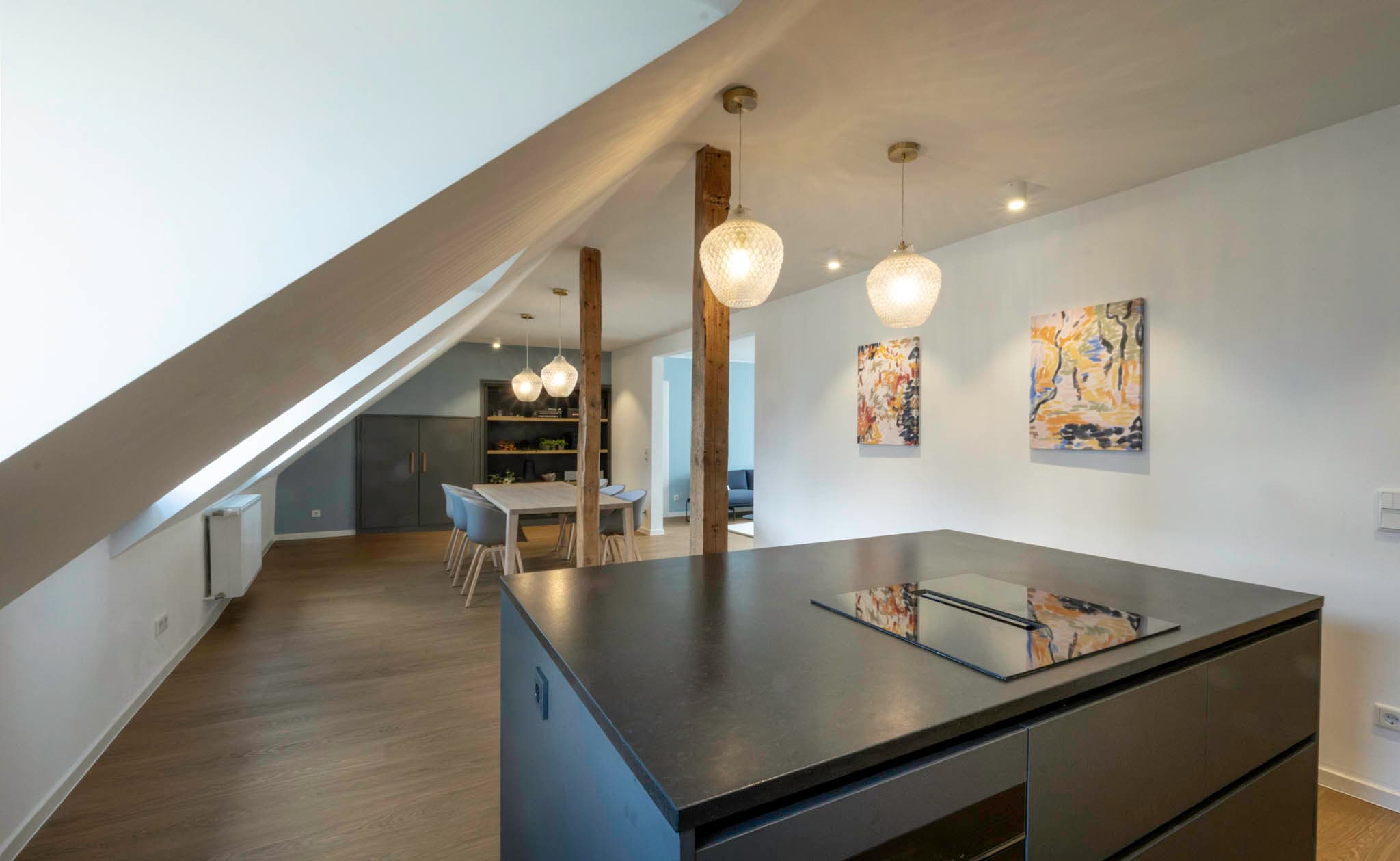
Exclusive Designer Penthouse in the Heart of the City
Bonn-Zentrum, Bonn
130 m²1 Bed1 Bathfrom€ 3800 / mo.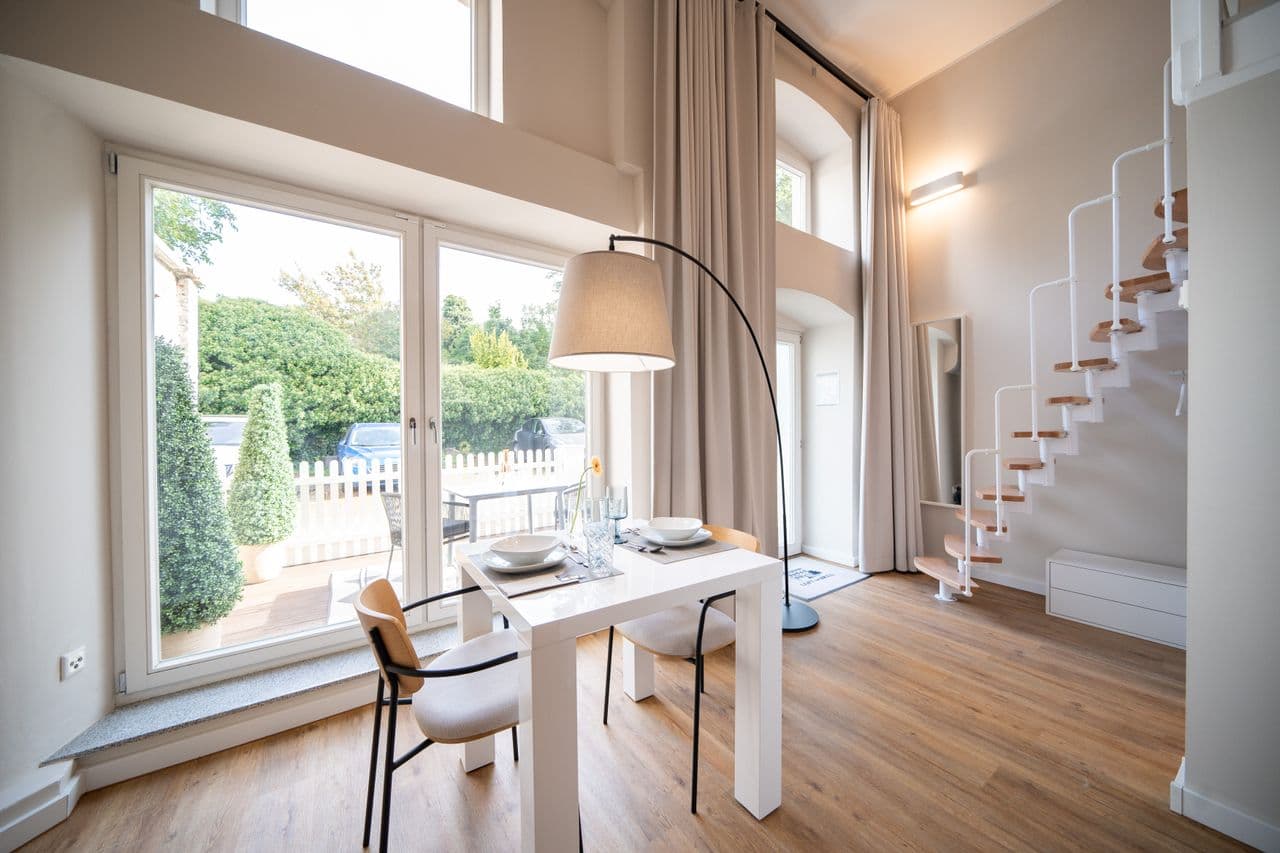
"Loft am Brill" - Luxurious Designer Loft-Apartment
Elberfeld-West, Wuppertal
44 m²1 Bed1 Bathfrom€ 1250 / mo.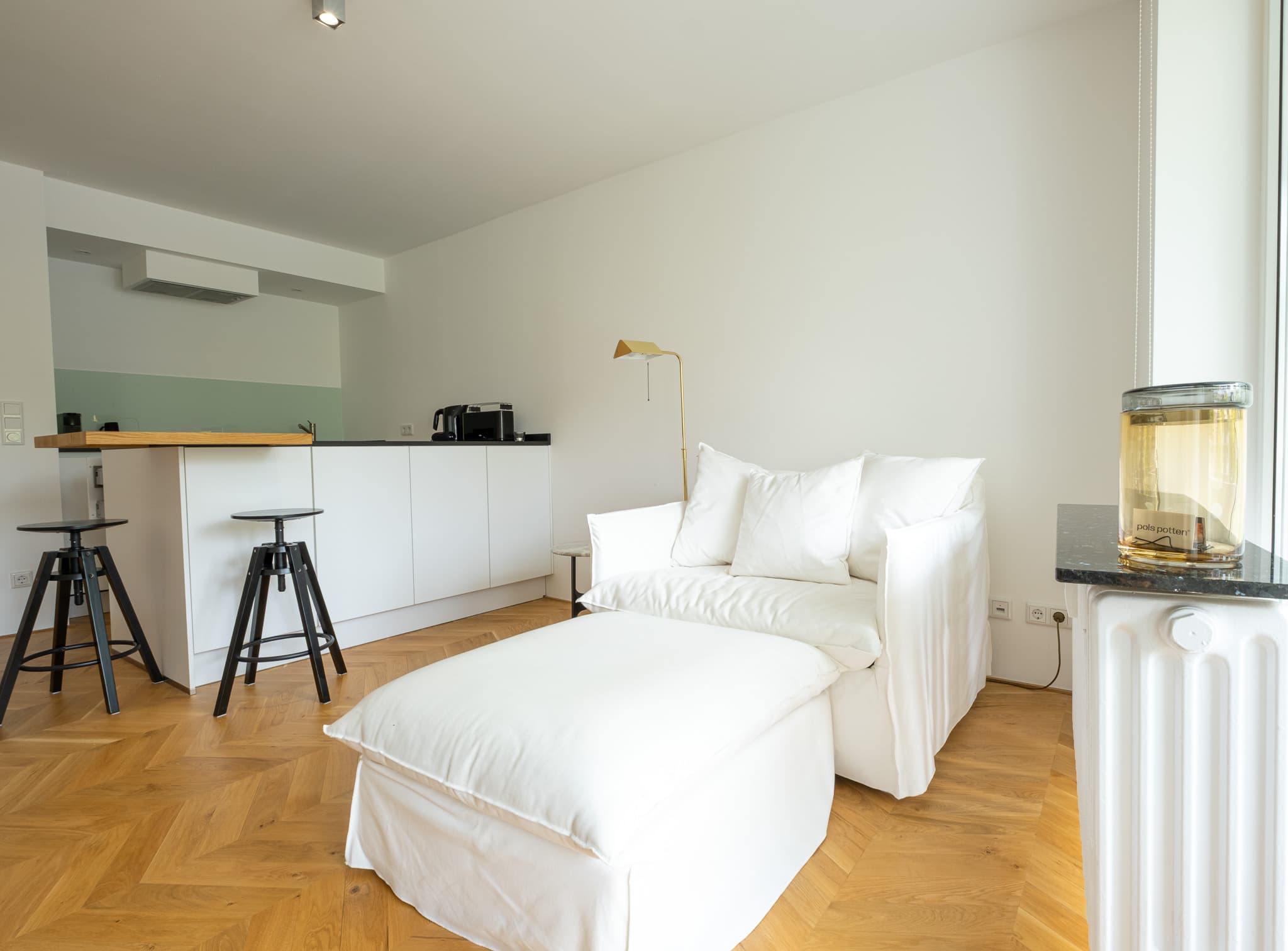
Bright Designer 2-Room Apartment with Balcony
Oberkassel, Düsseldorf
60 m²1 Bed1 Bathfrom€ 1870 / mo.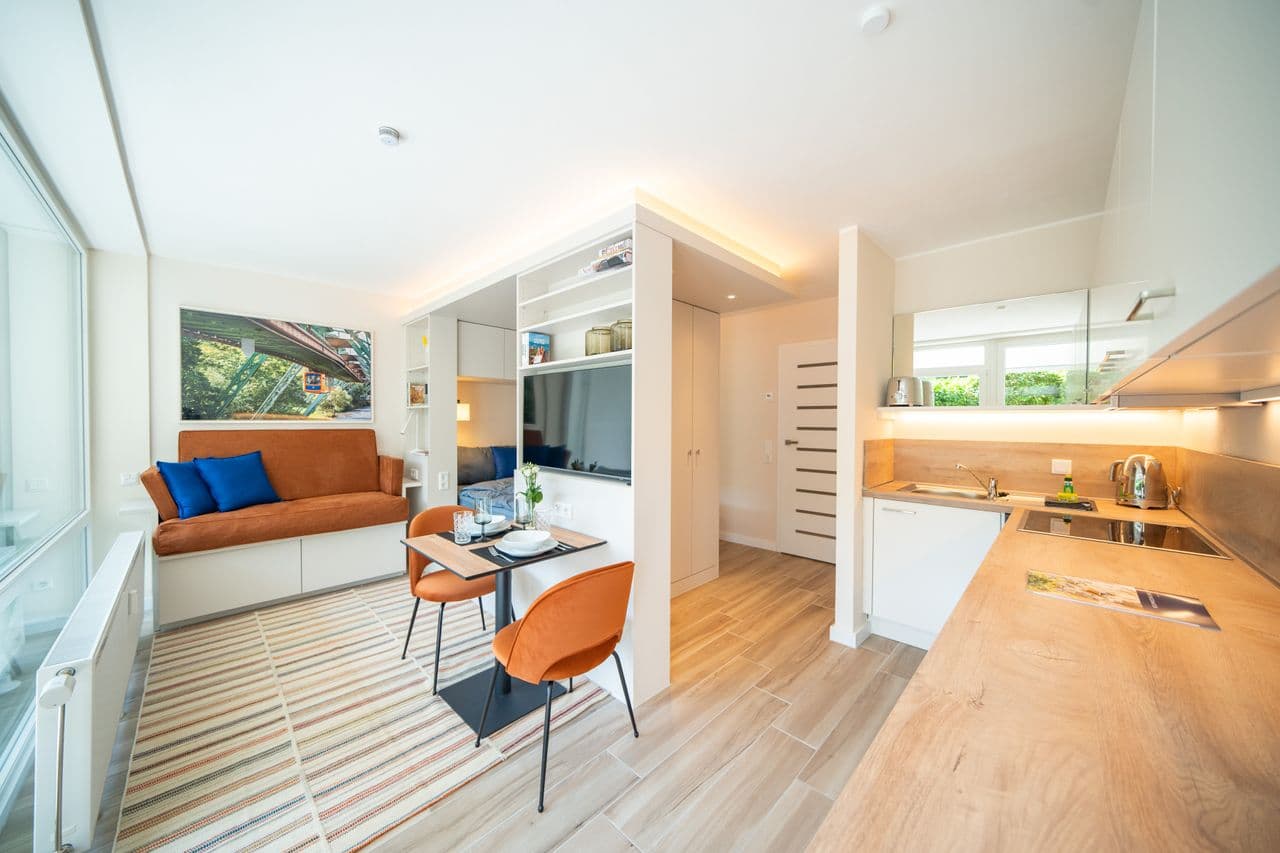
"Maison Am Eckbusch" - Luxurious Designer-Apartment/-Studio
Uellendahl-Katernberg, Wuppertal
39 m²1 Bed1 Bathfrom€ 1090 / mo.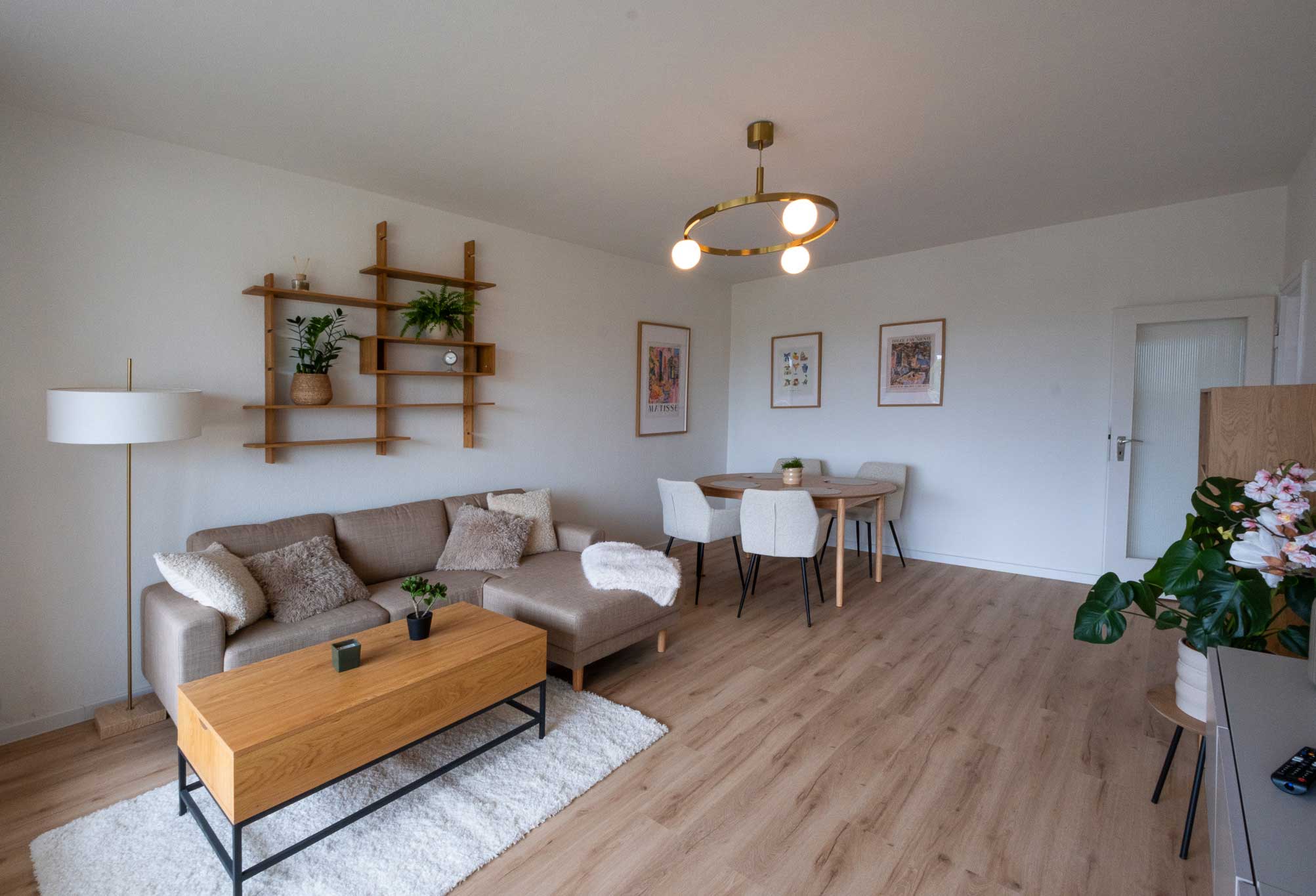
Bright 2-Room Apartment with Panoramic Views in Lörick
Lörick, Düsseldorf
60 m²1 Bed1 Bathfrom€ 1850 / mo.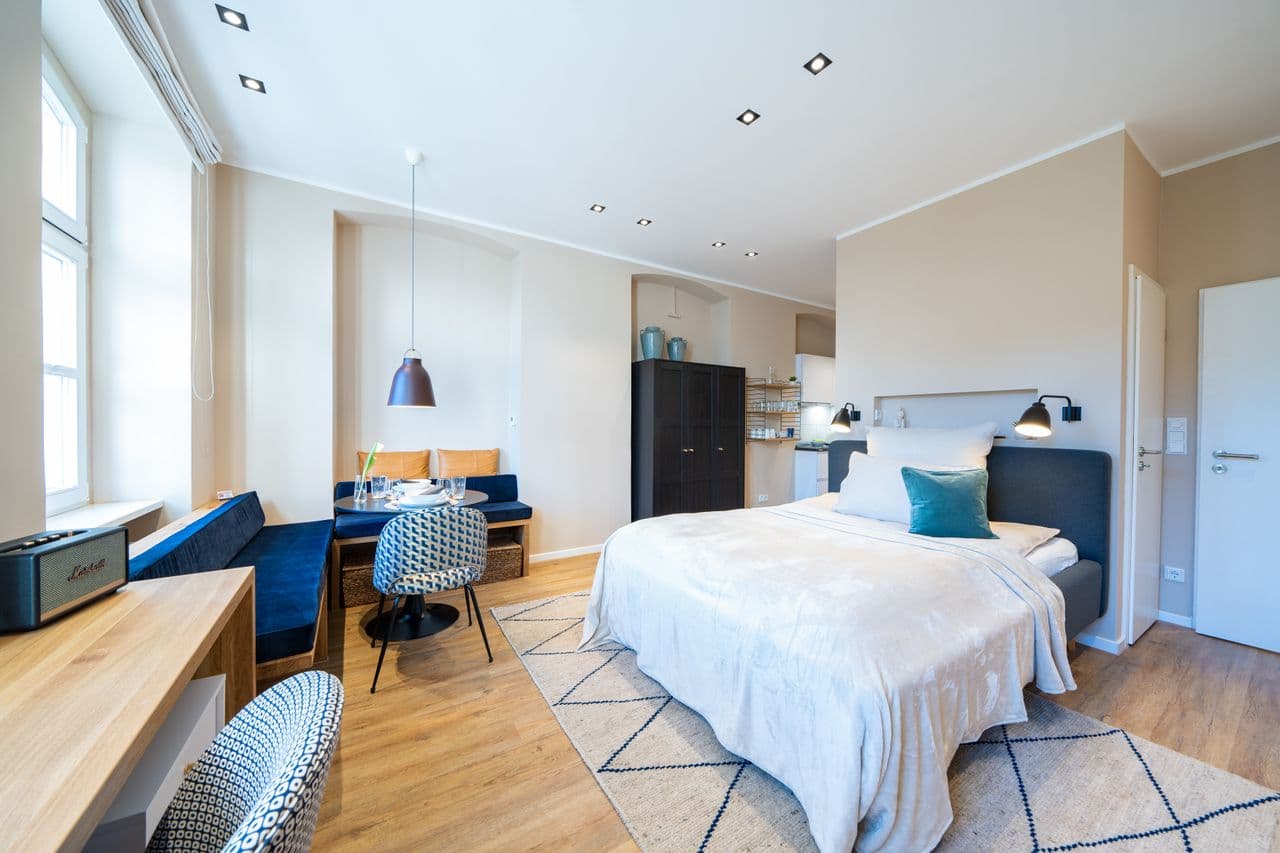
"Maison am Brill" - Chic and Charming Designer Apartment in a Central and Quiet Courtyard
Elberfeld-West, Wuppertal
37 m²1 Bed1 Bathfrom€ 1190 / mo.